





Noxubee County Historical Society was established in 1967
Our mission is to gather, preserve, and share the history of Noxubee County
Noxubee is one of the oldest counties in the state of Mississippi. The County was authorized by the Mississippi state legislature in 1833, after the indigenous Choctaw Nation surrendered its lands to the U.S. government in the 1830 Treaty of Dancing Rabbit Creek. The Treaty, signed at Noxubee, required the Choctaw to relinquish almost one-third of north-central Mississippi in exchange for their removal to Oklahoma. It was a signal treaty that induced the historically documented "Trail of Tears."
The Noxubee County seat is Macon, which is located 126 miles northeast of the Mississippi state capital in Jackson. It is 35 miles from Starkville (home of Mississippi State University); 32 miles from Columbus (home of the Mississippi College for Women); and 25 miles from the Alabama state line. Surrounding counties include Winston, Lowndes, Kemper, Neshoba and Oktibbeha.
Noxubee County has a total land area of 700 square miles = 695 square miles land; 4.6 square miles water.
According to the 2020 U.S. census, the Noxubee County population was 10,123 (72.5% Black; 26.1% White; 1.5% Latino; 0.2% Asian; 0.3% Native American).
Per capita income for Noxubee County in 2020 was $18,206. Median household income was $36,958. Approximately one-quarter of the population (individuals and families) live below the poverty line.
Noxubee is a thriving agricultural area. Farmers grow cotton, corn and soybeans and raise beef, sheep, pigs and catfish. There is heavy yellow pine forestation and wildlife is abundant.
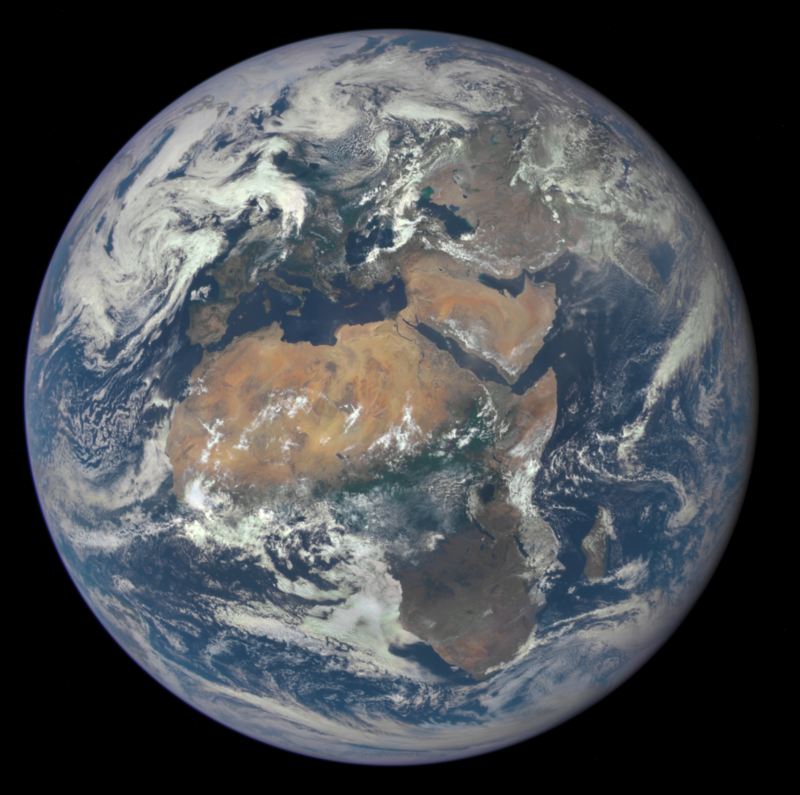
Oxygen production
Trees produce oxygen through the process of photosynthesis, which involves taking in carbon dioxide and releasing oxygen into the atmosphere.

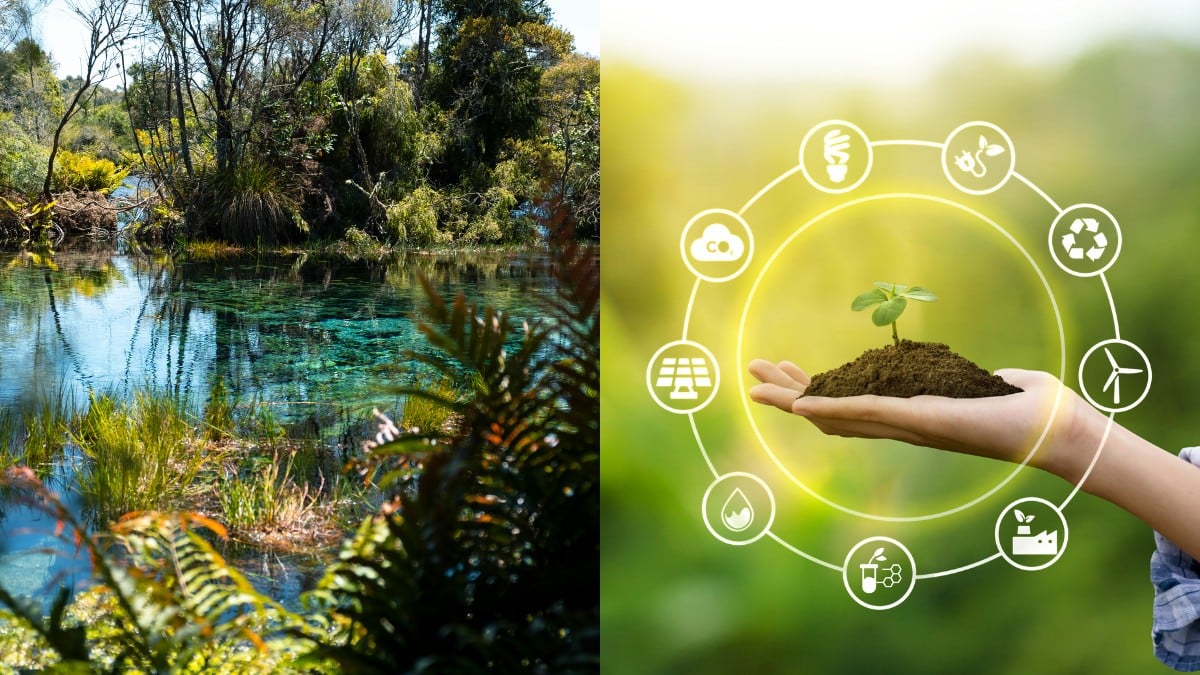
Ecosystem
Trees provide habitat for a variety of wildlife, including birds, insects, and mammals. They also provide food and shelter for many species, helping to maintain the delicate balance of the ecosystem.Trees provide habitat for a variety of wildlife, including birds, insects, and mammals. They also provide food and shelter for many species, helping to maintain the delicate balance of the ecosystem.
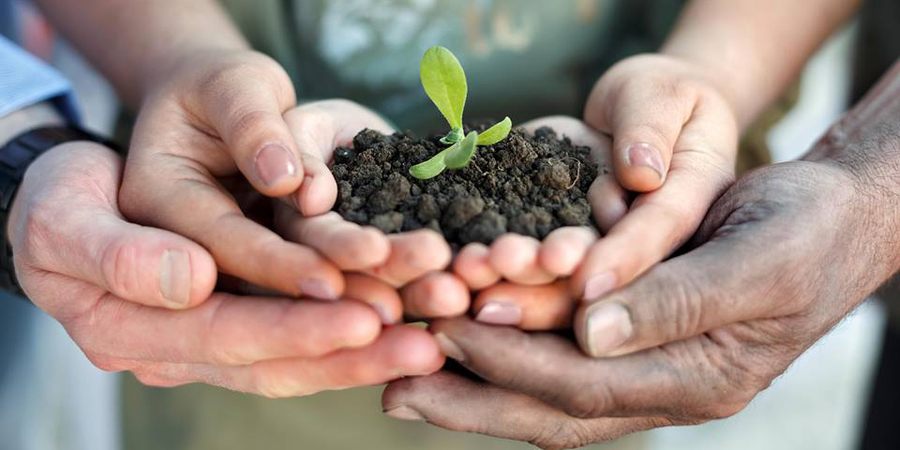
Soil protection
Trees help to prevent soil erosion by holding the soil in place with their roots. This helps to maintain healthy soils and prevent nutrient loss.Trees help to prevent soil erosion by holding the soil in place with their roots. This helps to maintain healthy soils and prevent nutrient loss.

Water regulation
Trees help to regulate the water cycle by absorbing water from the ground and releasing it into the atmosphere through transpiration. This helps to maintain healthy watersheds and prevent floods and droughts.Trees help to regulate the water cycle by absorbing water from the ground and releasing it into the atmosphere through transpiration. This helps to maintain healthy watersheds and prevent floods and droughts.

Aesthetic value
Trees provide beauty and visual interest to our landscapes. They can be used to create shade, windbreaks, and privacy screens, and they can also increase property values.Trees provide beauty and visual interest to our landscapes. They can be used to create shade, windbreaks, and privacy screens, and they can also increase property values.
Facts about forest
Plants and animals
Forests are home to more than half of the world's terrestrial species of plants and animals.
Amazon Rainforest
The largest forest in the world is the Amazon Rainforest, which spans over 2.1 million square miles (5.5 million square kilometers) across nine countries in South America.
Flooding and droughts
Forests play a critical role in regulating the water cycle by absorbing and storing water from rainfall and releasing it slowly over time, helping to prevent flooding and droughts.
Forests fact
Forests cover more than 30% of the Earth's land area.
Trees
Trees in forests absorb carbon dioxide from the atmosphere and store it in their trunks, branches, and leaves, helping to reduce greenhouse gas emissions and prevent global warming.